The Human Rights Council Renews and Appoints Several Special Procedures Mandate Holders During Its 62nd Session

The Human Rights Council Renews and Appoints Several Special Procedures Mandate Holders During Its 62nd Session

A+ A-

The Human Rights Council Renews and Appoints Several Special Procedures Mandate Holders During Its 62nd Session

Published by the Belgian Association for Human Rights and Development (BAMRO)

Geneva – July 2026

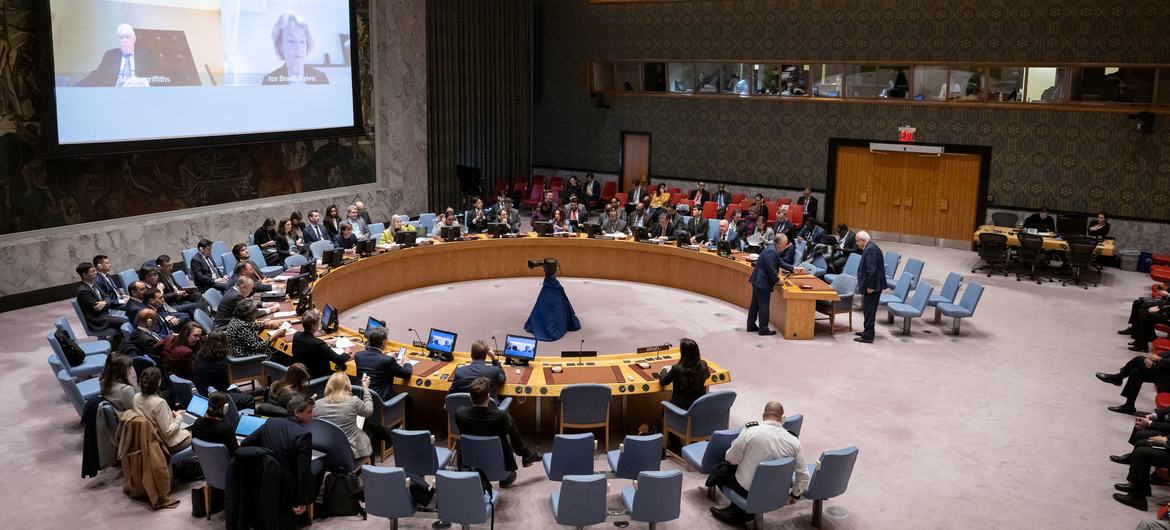
During the 62nd session of the United Nations Human Rights Council, held in Geneva, the Council adopted a number of decisions on 6 and 7 July 2026 concerning the appointment of new mandate holders and the renewal of mandates within the Special Procedures system, one of the United Nations’ most important independent mechanisms for the promotion and protection of human rights worldwide.

The Special Procedures play a central role in monitoring human rights situations, conducting country visits, engaging in dialogue with governments, receiving information concerning alleged violations, and submitting periodic reports to both the Human Rights Council and the United Nations General Assembly.


How Are Special Rapporteurs and Independent Experts Selected?

The selection of Special Procedures mandate holders follows a transparent and merit-based process designed to ensure independence, impartiality, expertise, and professional competence.

The process begins with the official announcement of vacant mandates, allowing qualified experts from all regions of the world to submit applications. The applications are then reviewed by the Human Rights Council Consultative Group, which evaluates candidates based on their qualifications, experience, independence, and integrity. Interviews may also be conducted where appropriate.

The Consultative Group subsequently submits a shortlist to the President of the Human Rights Council. Following consultations with Member States and regional groups, the President presents the final nominations to the Council for formal approval, unless objections are raised.

Mandates reaching the end of their term may be renewed when the Council determines that their continuation remains necessary to strengthen international human rights protection and accountability.


Key Appointments and Mandate Renewals During the 62nd Session

New Appointments

Professor Surya Deva (India)

The Human Rights Council appointed Professor Surya Deva as the Special Rapporteur on the Right to Development.

This thematic mandate promotes the implementation of the right to development and supports efforts to ensure that development policies are based on human rights, equality, inclusion, and sustainable development.


Professor George Katrougalos (Greece)

The Council also appointed Professor George Katrougalos as the Independent Expert on the Promotion of a Democratic and Equitable International Order.

His mandate focuses on promoting international cooperation, respect for international law, sovereign equality among States, and a global order founded on justice, human rights, and sustainable development.


Mandate Renewals

Dr. Mohamed Abdelsalam Babiker – Sudan

The Human Rights Council renewed the mandate of Dr. Mohamed Abdelsalam Babiker as the Special Rapporteur on the Situation of Human Rights in Eritrea.

Serving in this role since 2020, Dr. Babiker continues to monitor the human rights situation in Eritrea, submit annual reports to the Human Rights Council and the General Assembly, engage with the Eritrean authorities, and provide recommendations aimed at improving the protection of human rights.

The renewal of his mandate reflects the international community's continued commitment to independent monitoring and accountability regarding the human rights situation in Eritrea.


Claudia Mahler – Germany

The Council renewed the mandate of Claudia Mahler as the Independent Expert on the Enjoyment of All Human Rights by Older Persons.

Her mandate promotes the protection of the rights of older persons, combats age-based discrimination, and encourages their full participation in society in accordance with the principles of dignity, equality, and non-discrimination.


Marcos A. Orellana – Chile

The Council also renewed the mandate of Marcos A. Orellana as the Special Rapporteur on Human Rights and Hazardous Substances and Wastes.

His work focuses on protecting individuals from the harmful effects of hazardous substances, toxic waste, and environmental pollution while promoting the right to a clean, healthy, and sustainable environment.


The Importance of the Special Procedures

The Special Procedures constitute the largest body of independent human rights experts within the United Nations system. They include Special Rapporteurs, Independent Experts, and Working Groups responsible for monitoring country-specific and thematic human rights issues.

Mandate holders serve in their personal capacity, independently of any government, and receive no salary from the United Nations, thereby ensuring their independence, impartiality, and credibility.

Their principal responsibilities include:

  • Monitoring country-specific and thematic human rights situations.
  • Conducting official country visits.
  • Receiving and assessing information concerning alleged human rights violations.
  • Sending urgent appeals and official communications to governments.
  • Submitting reports and recommendations to the Human Rights Council and the General Assembly.
  • Cooperating with civil society organizations and National Human Rights Institutions.

BAMRO's Position

The Belgian Association for Human Rights and Development (BAMRO) welcomes the Human Rights Council's decisions concerning the appointment of new mandate holders and the renewal of Special Procedures mandates.

BAMRO emphasizes that the independence of Special Rapporteurs and Independent Experts remains a fundamental pillar of the international human rights system and an essential safeguard for strengthening transparency, accountability, and the prevention of human rights violations worldwide.

The Association further calls upon all States to cooperate fully with Special Procedures mandate holders, implement their recommendations, and facilitate unrestricted access to relevant information, victims, and affected locations, thereby reinforcing the rule of law, justice, and the protection of human dignity across the globe.