The 63rd Session of the Human Rights Council in Geneva: Key Human Rights Issues on the September 2026 Agenda, with the Participation of BAMRO

The 63rd Session of the Human Rights Council in Geneva: Key Human Rights Issues on the September 2026 Agenda, with the Participation of BAMRO

A+ A-

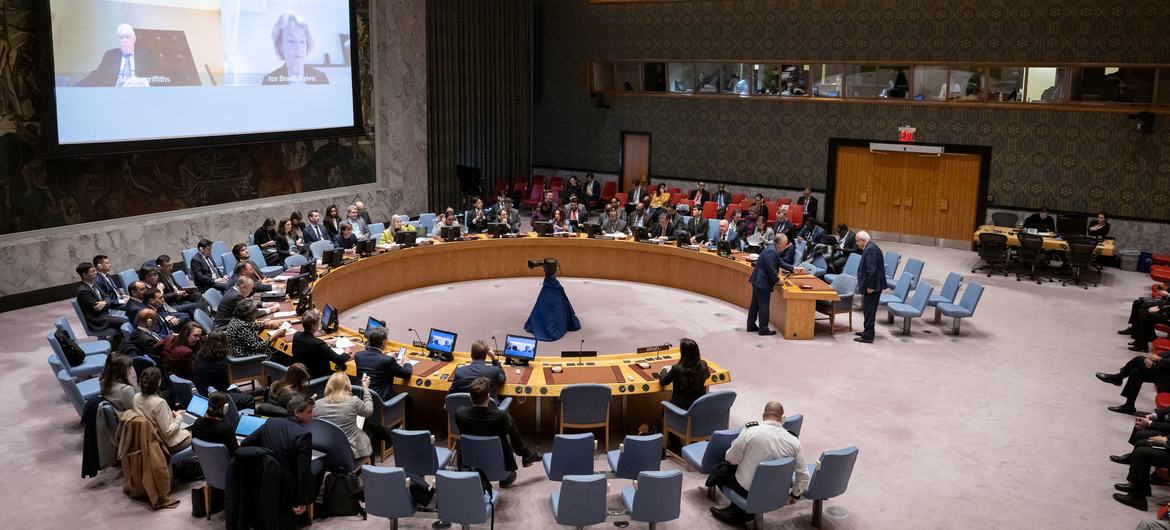
Our organization, BAMRO, is preparing to participate in the 63rd Regular Session of the United Nations Human Rights Council (HRC63), which will be held at the Palais des Nations in Geneva, Switzerland, from 7 September to 9 October 2026. The session will bring together Member States and observer States, United Nations agencies, national human rights institutions, and non-governmental organizations with consultative status with the United Nations Economic and Social Council (ECOSOC).

This session takes place at a time when the world is facing growing human rights and humanitarian challenges, including ongoing armed conflicts, increasing forced displacement and humanitarian crises, and mounting concerns regarding the protection of civilians and accountability for violations. Poverty, inequality, and economic, social and cultural rights also remain major international concerns.

Importance of the 63rd Session

The Human Rights Council is one of the United Nations’ principal international forums for addressing and discussing human rights situations around the world. The Council consists of 47 Member States, elected by the United Nations General Assembly.

The Council’s work is not limited to examining human rights situations in individual countries. It also covers a broad range of civil, political, economic, social and cultural rights and includes consideration of reports submitted by the United Nations High Commissioner for Human Rights, Special Rapporteurs, Independent Experts, fact-finding missions and various international human rights mechanisms.

The Council’s sessions also provide civil society and eligible non-governmental organizations with opportunities to participate in international discussions, submit written and oral statements, and draw attention to issues and violations requiring the attention of the international community.

A Comprehensive Programme of Dialogues and Reports

The session’s programme extends over several weeks and includes interactive dialogues, general debates and specialized meetings addressing human rights situations in various countries, as well as global human rights issues.

The Council’s work is organized around ten agenda items. Among the most significant are the promotion and protection of all human rights, human rights situations that require the Council’s attention, the Universal Periodic Review, combating racism and discrimination, and technical assistance and capacity-building.

The session will also consider reports from various Special Rapporteurs, Independent Experts and international investigative mechanisms. In addition, discussions will address economic, social and cultural rights, inequality and other issues that have become an increasingly important part of the international human rights debate.

Sudan and Conflict-Related Crises

One of the prominent issues on the agenda is the situation in Sudan, where the Human Rights Council will consider the report of the Independent International Fact-Finding Mission for the Sudan.

This discussion is particularly significant in light of the continuing humanitarian and human rights consequences of the conflict, including concerns related to the protection of civilians, displacement, access to humanitarian assistance and accountability for violations.

Interactive dialogues with fact-finding missions and international experts provide States and human rights organizations with opportunities to present their positions and recommendations and to call for stronger protection of civilians and respect for international human rights law and international humanitarian law.

A Wide Range of International Human Rights Issues

The work of the session is not limited to Sudan. It encompasses a broad range of human rights situations and issues through interactive dialogues and reports submitted to the Council.

The session is expected to include discussions on a number of country-specific human rights situations, as well as cross-border issues relating to fundamental freedoms, equality, non-discrimination, economic, social and cultural rights, and the protection of groups particularly vulnerable to human rights violations.

The Council will also continue to follow the work of its Special Procedures, including Special Rapporteurs, Independent Experts and Working Groups mandated to address specific human rights issues or human rights situations in particular countries.

Universal Periodic Review

The Universal Periodic Review (UPR) is one of the key mechanisms of the Human Rights Council.

Through this mechanism, the human rights record of every United Nations Member State is periodically reviewed. States are able to make recommendations to the country under review with the aim of improving its human rights situation and strengthening the implementation of its international obligations.

During the 63rd Session, the Council will continue to consider and adopt the outcomes of the reviews scheduled within the programme of the session, in accordance with the applicable procedures.

The Role of Civil Society and Human Rights Organizations

The participation of civil society organizations is particularly important during sessions of the Human Rights Council. Non-governmental organizations with consultative status with the United Nations Economic and Social Council may participate in accordance with the applicable rules and procedures.

Participation may include attending meetings, following interactive dialogues, submitting written statements, registering on lists of speakers to deliver oral statements during eligible meetings, and engaging with diplomatic missions, international organizations and international human rights mechanisms.

Such participation helps bring the voices of victims and affected communities to international forums and facilitates the presentation of information and recommendations to decision-makers, experts and international mechanisms.

Why Is the September Session Particularly Important?

The 63rd Session takes place at a critical moment internationally, when armed conflicts intersect with forced displacement, poverty, inequality, and economic and humanitarian challenges.

The importance of the session therefore lies not only in discussing reports but also in the opportunity to translate the findings of monitoring and investigations into international recommendations and measures that strengthen the protection of individuals, promote accountability and combat impunity.

The session also provides an important international platform for dialogue among governments, the United Nations, independent experts and civil society on how to develop more effective mechanisms to protect human rights and respond to growing crises around the world.

From Geneva to the World

During the weeks of the 63rd Session, Geneva will become a focal point for broad international discussions on the future of human rights and the challenges facing the international human rights protection system.

The active participation of civil society and human rights organizations remains an essential component of this system. Their role extends beyond documenting and monitoring violations to proposing solutions and recommendations and contributing to strengthening a culture of human rights and international accountability.

The Belgian Association for Human Rights and Development (BAMRO) emphasizes the importance of continued and strengthened cooperation among the United Nations, States and civil society. BAMRO also stresses the need to prioritize the protection of civilians and the most vulnerable groups, ensure access to humanitarian assistance, strengthen accountability for human rights violations, and promote respect for human rights and international law as essential foundations for peace, stability and sustainable development.