

Courses
23-05-2023
Vote
-
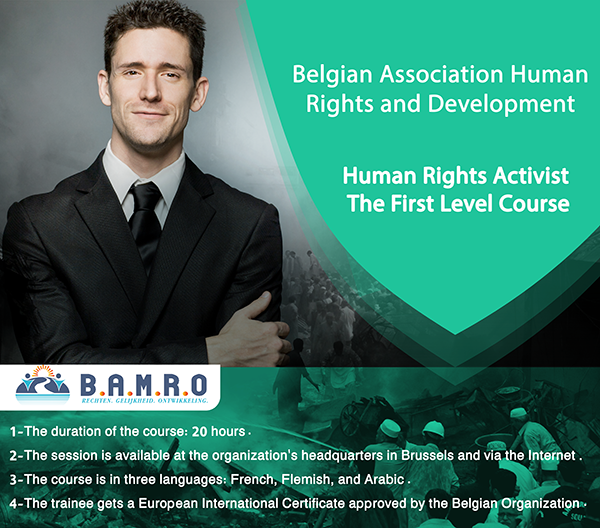
For further training via the Zoom program or at our office? ?
Register a
Violation
We you
Contact youS.O.S.
0032 02 7322568
The Decline in Respect for International Humanitarian Law in Armed Conflicts: Growing Challenges and Renewed International Responsibility
Human Rights Report
The Decline in Respect for International Humanitarian Law in Armed Conflicts: Growing Challenges and Renewed International Responsibility
August 2026
Introduction
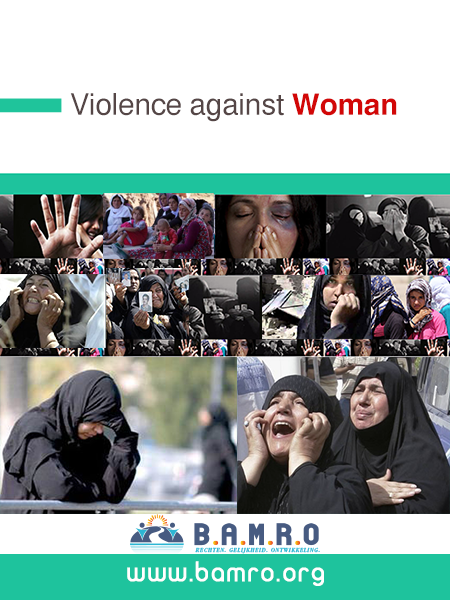
Throughout 2026, the world continues to witness numerous armed conflicts and humanitarian crises that have caused devastating consequences for civilian populations. At the same time, international calls for greater respect for international humanitarian law and the protection of human rights during armed conflicts have become increasingly urgent.
Recent developments indicate that serious violations of international law are no longer isolated incidents but have become a recurring pattern in many conflict zones. This alarming trend requires the international community to strengthen accountability mechanisms and intensify efforts to combat impunity.
I. International Humanitarian Law: The Cornerstone of Civilian Protection
International Humanitarian Law (IHL) seeks to limit the effects of armed conflict and to protect persons who are not, or are no longer, participating in hostilities.
Its fundamental principles include:
-
Protection of civilians.
-
Protection of the wounded and sick.
-
Protection of medical and humanitarian personnel.
-
Respect for prisoners of war and detainees.
-
Prohibition of attacks against civilian objects.
-
Ensuring safe and unhindered humanitarian access.
All parties to an armed conflict are legally obliged to respect these principles, regardless of the nature of the conflict.
II. Major Violations Observed Worldwide
International reports continue to document serious violations, including:
-
Deliberate attacks against civilians.
-
Destruction of hospitals and healthcare facilities.
-
Attacks on schools and educational institutions.
-
Obstruction of humanitarian assistance.
-
Forced displacement of civilian populations.
-
Arbitrary detention and enforced disappearances.
-
The use of starvation as a method of warfare.
-
Attacks targeting humanitarian workers.
These violations result not only in significant loss of life but also in the collapse of essential public services, increased poverty, mass displacement, and long-term instability.
III. Figures Reflecting the Scale of the Crisis
Humanitarian crises continue to reach unprecedented levels:
-
More than 300 million people require urgent humanitarian assistance.
-
More than 117 million people have been forcibly displaced worldwide.
-
More than 3.5 billion people live in conditions of poverty or economic vulnerability.
-
Millions of children have lost access to education and healthcare because of armed conflicts.
These figures demonstrate that the world is facing one of the most severe humanitarian crises in recent history.
IV. The Importance of International Accountability
Lasting peace cannot be achieved without holding perpetrators of serious violations accountable.
Key accountability mechanisms include:
-
Independent international investigations.
-
International fact-finding missions.
-
National judicial systems.
-
The International Criminal Court, where jurisdiction applies.
-
International sanctions against those responsible for grave violations.
Professional and accurate documentation of violations also plays a crucial role in ensuring justice and preserving evidence for future accountability.
V. The Role of Civil Society Organizations
Human rights and humanitarian organizations play a vital role through:
-
Documenting violations.
-
Providing legal assistance.
-
Promoting human rights awareness.
-
Conducting advocacy before international institutions.
-
Supporting victims and survivors.
-
Preparing human rights reports.
-
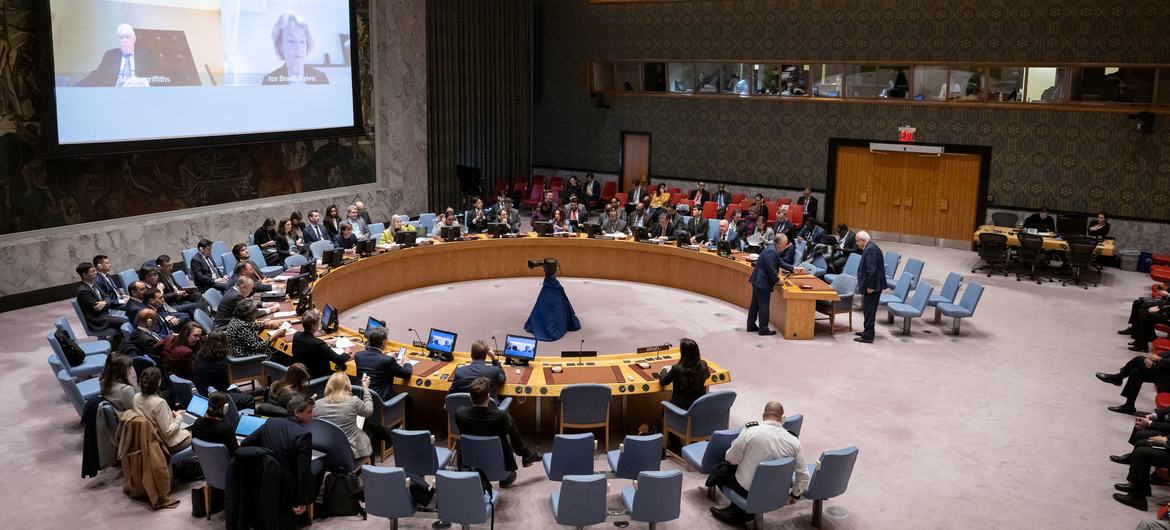
Cooperating with the United Nations and international human rights mechanisms.
Modern technologies and artificial intelligence have become valuable tools for analyzing data, documenting violations, and producing faster and more accurate reports.
VI. Current Challenges
International efforts continue to face significant challenges, including:
-
Ongoing armed conflicts.
-
Weak implementation of international decisions.
-
Obstacles to humanitarian access.
-
Persistent impunity.
-
Insufficient humanitarian funding.
-
The spread of misinformation during crises.
Addressing these challenges requires stronger international cooperation and enhanced support for the United Nations and humanitarian organizations.
Recommendations
This report recommends the following:
-
Ensure full respect for International Humanitarian Law in all armed conflicts.
-
Protect civilians and civilian infrastructure without exception.
-
Guarantee safe, rapid, and unhindered humanitarian access.
-
Strengthen independent investigations into serious violations.
-
Support human rights defenders and humanitarian workers.
-
Increase funding for humanitarian and relief programs.
-
Promote the responsible use of artificial intelligence in documenting violations and supporting humanitarian response.
-
Strengthen international judicial cooperation to combat impunity.
Conclusion
Respect for human rights during armed conflicts is not a political choice; it is a legal and moral obligation binding upon all States and parties to conflict.
As humanitarian crises continue to escalate, the international community must take more effective action to protect civilians, strengthen accountability, and support humanitarian efforts, thereby contributing to a world founded on peace, justice, and the rule of law.
The Belgian Association for Human Rights and Development (BAMRO) reaffirms that protecting human dignity and respecting international law are shared responsibilities of the international community. Investing in justice and preventing human rights violations remain the most effective path toward building a safer, more stable, and more just future for generations to come.
Listings
- 1
- 2
- 3
- 4
- 5